


Essential Books About Black History for Students and Readers
Imagine a classroom where every page turns into a conversation about the people who paved the way before us. As a parent, caregiver, or teacher, you’ve probably felt the tug of wanting to fill that space with stories that feel authentic and inspiring.
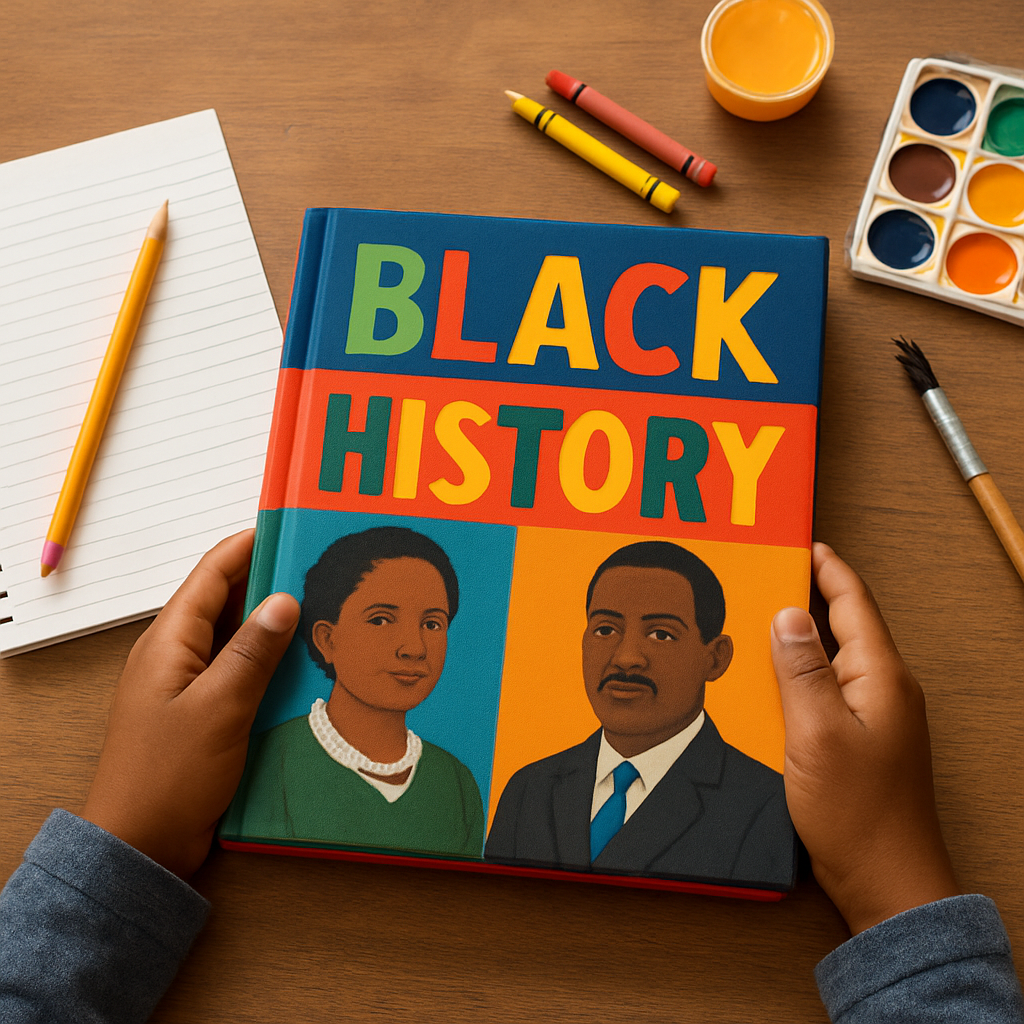
Books about black history do more than fill shelves; they become tools that ignite curiosity, empathy, and a sense of belonging. When kids see their ancestors celebrated in bold, colorful illustrations, their confidence takes a quick, bright lift. That lift translates into better engagement in class, stronger reading habits, and a lifelong love for learning.
In 2026, the digital age offers more resources than ever, but nothing beats the tactile joy of turning a page with a child’s eager eyes. That tactile moment is exactly why we put so much heart into each book we publish.
When you pick a book about black history, you’re choosing a doorway to a conversation that can shape a child’s worldview for years to come. The stories we share celebrate heroes from all walks of life, from trailblazing scientists to everyday activists who made change happen right in their neighborhoods.
For teachers and parents looking to spark curiosity, our Diverse & Inspiring School Sample Pack offers a curated set of stories that jump straight into the heart of Black History Month and beyond. Each book is paired with activity guides that turn reading time into hands‑on projects—think drawing the portraits of heroes or creating timelines of key moments. When kids see their own history reflected, they’re less likely to feel invisible and more likely to claim their place in the narrative.
And if you’re ready to bring those stories to life on paper, you’ll need the right tools. A quick detour to the best pencils for drafting guide gives you the practical tips to help children create portraits, maps, or even comic strips that echo the lessons from the books.
So, are you ready to turn the pages of history into a shared adventure that lights up little minds and builds a bridge to tomorrow?
TL;DR
Discover how books about black history can ignite curiosity, foster empathy, and empower young minds with stories that reflect their heritage, turning reading time into a vibrant journey of discovery.
Our curated collection, paired with engaging activity guides, gives parents, teachers, and caregivers the tools to spark conversation, build confidence, and create lasting connections that celebrate identity and inspire future leaders.
Step 1: Define Your Learning Goals
Before you pick a book, pause for a second and think about the conversation you want to spark. Are you hoping to boost confidence, build curiosity, or maybe weave history into everyday storytelling? Pinning down the goal first turns a random page‑turn into a purpose‑driven adventure.
Imagine you’re a teacher with a tight lesson plan. If your goal is to spark empathy, choose a book that paints vivid faces and real struggles. If it’s to ignite curiosity, pick a story that opens doors to questions like, “What would happen if…?” The goal shapes the selection, the pacing, and the follow‑up activities.
Here’s a quick way to map that out:
- Ask the child. “What’s something you want to learn about?”
- Define the outcome. “Do I want them to ask questions, write a story, or create a poster?”
- Pick the right book. Match the theme, tone, and complexity to that outcome.
Once the goal is clear, you can turn the learning objective into a mini‑mission. For example, if your aim is to build empathy, the mission could be “Spot the emotions in the hero’s journey and share how you felt.”
Now, let’s bring it to life with a quick video that walks through setting learning goals in a classroom setting. It’s short, practical, and will give you a visual roadmap.
After watching, jot down two questions that will guide your session: one that invites curiosity and one that encourages reflection. This simple step ensures you stay on track even when the story’s pace speeds up.
As a parent or teacher, you’ve probably noticed that kids get most excited when the book feels like a doorway rather than a wall. Defining goals helps keep that doorway open. When the story ends, ask, “What did we learn?” or “What would you do if you were in that hero’s shoes?” Those questions transform reading time into a living dialogue.
When you’re charting those goals, think about how they line up with your broader curriculum or homeschool plan. If you’re working on a unit about civil rights, a book that highlights everyday activists can serve as a launchpad for a science‑fiction twist, where kids imagine how those leaders would tackle climate change today. Or, if the focus is on science, pair a biography of an African‑American inventor with a simple experiment—maybe building a solar oven—to let kids see the real‑world impact of those ideas.
These connections make the page feel like bridge to tomorrow, not a story.
Remember, the learning goal isn’t set in stone. If a child’s curiosity shifts midway, be ready to pivot. The goal is a compass, not a map. Keep it flexible, keep it focused, and watch the conversation unfold naturally.
Step 2: Start with Foundational Texts
Before you hand your child a glossy picture book, you need to make sure the foundation is solid. Think of it like building a Lego set—if the base blocks are shaky, the whole structure wobbles.
1. Pick a Core Narrative
Start by choosing one powerful story that captures the spirit of the movement you want to explore. For example, the story of the 1919 Chicago Race Riot offers a gripping glimpse into the Red Summer and shows how ordinary people endured hardship. A single narrative like that keeps the focus sharp and the conversation lively.
2. Use a “Starter Pack” Approach
Just as a chef uses a recipe card, pick a starter pack of books that cover the same event from different angles. If you’re covering the Civil Rights era, pair a biography of a young activist with a nonfiction account of the March on Washington. The contrast sparks debate and deepens understanding.
3. Align With a Community Reading List
Leverage the expertise of independent presses by looking at a curated reading list for Black History Month 2026. This community‑sourced list offers titles that have already stood the test of time and resonate with today’s learners. A recommended reading list from CLMP gives you a ready‑made roadmap to navigate the breadth of history without getting lost.
4. Turn Pages Into Projects
After each chapter, give the kids a quick project: sketch a character, draw a timeline, or write a short “letter from the past.” These micro‑tasks keep the momentum up and give you a way to check comprehension without formal testing.
5. Build a “Hero Wall”
Create a rotating display where each child can pin a hero’s portrait or a key quote. It turns the lesson into an evolving gallery that children can add to as they discover new figures.
6. Check for Contextual Accuracy
Make sure the text you choose aligns with the broader curriculum. Cross‑reference the dates, events, and figures with a reliable timeline—this prevents misinformation from creeping into the story.
7. Keep the Language Accessible
Even the best books can feel heavy if the language is too formal. If a book’s prose is dense, skim a paragraph and rewrite it in a sentence or two that your child can relate to. That’s the difference between a story that’s read and a story that’s lived.
8. Invite the Child to Suggest
Ask, “Which hero would you like to learn about next?” Letting them pick the next book turns the experience into a collaborative adventure rather than a lecture.
By anchoring your learning journey with foundational texts, you’re not just handing out books—you’re creating a living history that your child can touch, feel, and own.

Step 3: Explore Biographies and Autobiographies
After laying out the basics, it’s time to dig into the life stories that truly light the imagination. Biographies and autobiographies give kids a window into the everyday struggles and triumphs of black leaders.
Why do you want to lean into this? Because a person’s voice—especially one that has walked the path you’re curious about—makes history feel tangible, not abstract. When a child sees a portrait of a young activist holding a sign, they’re already in the story.
Here’s what a good biography looks like for a classroom setting: clear dates, a narrative arc, and plenty of visuals. Keep it age‑appropriate: think chapter‑by‑chapter summaries that you can pause to discuss. Don’t let the prose get too heavy—kids need a pause button in their minds.
We’ve seen this work best in a “reading‑and‑reflect” loop. After each chapter, ask: What would you do in this situation? What feelings does the author describe? Let the discussion branch into creative projects—drawing a comic strip of a pivotal moment or writing a diary entry from the subject’s perspective.
When choosing titles, look for those that blend fact with storytelling. For example, a biography of Barack Obama that starts with his upbringing in Kenya and follows through to the presidency can hook students with personal details before diving into politics. An autobiography like “The Autobiography of Maya Angelou” offers a first‑hand look at how a poet used words to heal.
For teachers, the benefit is two‑fold. First, you get a ready‑made lesson plan that aligns with the Common Core or state standards. Second, you provide a safe space for students to relate to a person who looks like them. This connection can boost reading confidence.
What if you’re a homeschooler? Use the same structure: read a chapter, then create a timeline on poster board. Add sticky notes with quotes that resonate. This tactile approach turns reading into a hands‑on activity that feels less like homework.
One quick checklist can keep the process on track:
- Choose a title that fits the age group.
- Identify key moments for discussion.
- Plan a creative follow‑up (art, writing, or debate).
- Encourage reflection: ask how the story applies to the child’s own life.
Do you want to make the learning stick? Pair the biography with a short, interactive quiz. Keep it light: a few multiple‑choice questions, a fill‑in‑the‑blank, or a matching game. The quiz reinforces facts while keeping the mood fun.
Finally, consider how you can loop back to the community. Invite a family member to share a story that mirrors the book’s theme. Hearing a living memory beside a printed biography gives kids a richer perspective and a sense that history is alive.
Books about black history aren’t just facts—they’re voices that can change the way a child sees themselves in the world. By stepping into a biography, you’re handing them a passport to the past and a blueprint for the future.
Step 4: Include Academic & Scholarly Works
When you’re building a curriculum, it’s tempting to lean on the most colorful picture books first. But a solid academic foundation can turn those bright illustrations into powerful arguments.
Think about the last time a child asked, “What happened before that?” That question is the gateway to deeper learning. Here’s where scholarly works fit in: they give the hard dates, the legal texts, the policy debates that made the events possible.
What you’ll want to do next is match the depth of the text to the child’s age. A 3‑year‑old doesn’t need a full‑length history monograph, but a 6‑year‑old can handle a shortened edition of a primary source with a guided worksheet.
Take, for example, the Harvard University Press collection of black history scholarship. Their titles range from biographies of early civil‑rights leaders to detailed studies of the Supreme Court’s role in shaping racial policy. When you pair a picture book about Martin Luther King Jr. with a concise, kid‑friendly excerpt from the Harvard collection, you give the child a narrative plus the evidence.
What if you’re a teacher looking for a quick “plug‑in” resource for a 20‑minute lesson? Grab an open‑access article from the Harvard series, find the key fact you want to illustrate, and craft a mini‑quiz. That keeps the activity tight and the learning focused.
So, what about parents or caregivers who want to stay in the loop? Print out a one‑page summary of the academic work and send it to your child’s classroom. They’ll see that the stories you read at home are supported by real research.
Now, let’s talk about accessibility. Academic texts often have dense language. Turn them into a storytelling format: use bullet‑point timelines, highlight bold terms, or add a sidebar that defines the jargon. The result is a resource that feels like a second picture book.
Imagine a classroom where kids flip from a colorful biography to a short, annotated excerpt that explains why that event mattered. The transition is seamless when both texts are tied to the same theme. That’s the power of a comparison approach.
Do you know the best way to keep the learning moving? Use a side‑by‑side table that shows the child‑friendly version, the scholarly excerpt, and a quick takeaway sentence. Students can see the overlap and the depth in one glance.

| Resource Type | Appropriate Age | Key Feature |
|---|---|---|
| Picture Book | 4‑8 years | Engaging visuals, simple narrative |
| Annotated Scholarly Excerpt | 8‑12 years | Fact‑packed, contextual background |
| Full Academic Text | 12+ years | In‑depth analysis, primary sources |
Now that you have a structure, the next step is to source the materials. Look for open‑access PDFs from university presses or request library copies for your classroom. Once you have the texts, create a shared folder or a digital “resource bank” that kids can pull from.
What about assessment? Pair the scholarly excerpts with a quick reflective prompt: “Why do you think this event matters today?” or “How would you explain this to a friend?” Those questions turn research into personal connection.
Finally, remember that the goal isn’t to overwhelm. It’s to layer meaning: the picture book offers the story, the scholarly work provides the context, and the student’s reflection stitches them together into lasting knowledge.
By weaving academic sources into your lesson plans, you give every child the chance to see their heritage not just as a story, but as a well‑documented part of our national narrative. And that is the kind of learning that sticks.
Step 5: Add Contemporary & Young Adult Perspectives
We’ve already mapped out picture books and scholarly snippets. Now let’s bring in the teens and young adults who are the living pulse of the history we’re sharing.
Why do YA books feel like a secret handshake? They’re written by people who’ve just stepped out of high school, so the language clicks, the settings feel real, and the stakes are relatable. That means a parent can sit on the couch and say, “Hey, this story is exactly how you felt at 17.”
Spotlight on Current Voices
Look for titles that feature protagonists who face today’s social media noise, school climate, and identity questions. When a character navigates a school protest or posts a viral tweet, your child will see history reflected in their own world.
One example from the Monroe County Public Library’s YA picks showcases a story set in New Orleans where two siblings balance family grief and a rising community tension. The narrative dives into the magic‑vs‑non‑magic divide, but at its core it’s about standing up for what feels right.
Use Micro‑Debates to Spark Discussion
After reading a YA chapter, ask: “If you were in the story’s shoes, what would you say to the teacher about that policy?” Or “What would your tweet be? Why?” These quick debates turn a page into a living conversation and keep the conversation moving beyond the last line.
Give kids a sticky‑note sheet, and let them write their own short response. It feels less like a test and more like a journal entry you actually want to read.
Blend with Classroom Projects
Pair a YA novel with a creative activity: a comic strip that extends the story, a timeline that maps real historical events referenced in the book, or a short podcast where students interview a teacher about the issue.
When students create a podcast, they practice public speaking, research skills, and empathy—all wrapped in the narrative they love. It’s a win‑win for teachers looking to meet curriculum standards while still feeling cool.
Keep the Library Connected
Many school libraries now host virtual “book clubs” for teens. You can schedule a 30‑minute Zoom where kids read a chapter, then discuss it in breakout rooms. It gives them a sense of belonging and lets parents see what’s on their children’s reading list.
Use the Monroe County Public Library’s YA picks as a starting point—linking to their curated list gives you a ready‑made selection that’s already vetted for age‑appropriateness.
Don’t Forget the “Future Leaders” Angle
When teens see characters who fight for justice or innovate in STEM, they’re more likely to imagine themselves in those roles. Encourage them to write a short “future self” letter: “Dear me in 10 years…”
This exercise turns reading into a roadmap. It’s a powerful tool for teachers who want to spark ambition without sounding preachy.
In short, contemporary YA books are the bridge between textbook facts and the world your child inhabits.
By weaving them into the curriculum, you make history feel urgent, personal, and—most importantly—possible.
Ready to dive in? Pick a YA title, set up a micro‑debate, and watch your child’s engagement skyrocket.
Step 6: Leverage Libraries & Digital Collections
Ready to turn the library into a launchpad for your curriculum? Think of it as a backstage pass—your students get first‑row seats to real archives, not just re‑prints.
First thing: check the school or public library’s online catalog. Many now offer instant PDFs, audiobooks, and interactive maps. If your librarian is tech‑savvy, they can pull in the Library of Congress digital collection, which is a goldmine of primary sources and illustrated books that cover the full span of African‑American history. Explore the Library of Congress collection and see how a single title can become a unit lesson, a debate prompt, or a creative project.
Start with the Digital Treasure Trove
Ask your librarian what’s in the cart. Many institutions have already digitized works like Freedom Summer for Young People or Notes From a Black Woman's Diary. Those books let you jump straight into a primary‑source conversation without waiting for a new print run.
Quick Tips:
- Use the “Read online” link whenever it’s available; you’ll save time and paper.
- Ask for a QR code that students can scan to access the full text on their phones.
- Set a weekly “digital book club” where the class discusses a new digitized chapter.
Pair Digital Finds with Your Own Books
When you blend a digital copy of, say, Martha and the Slave Catcher with one of our illustrated books, you give students two lenses on the same story. That contrast sparks questions like “How did the author’s tone change when the story was turned into a picture book?” or “What details did the digital version add that the illustration omitted?”
Build a Shared Online Resource Hub
Create a simple folder in Google Drive or a class blog and drop links to the library’s PDFs. Label each file with the book title, a brief synopsis, and a question prompt. This shared space keeps everything in one place and lets students revisit the source whenever they need a refresher.
Why It Works:
- Students feel ownership when they can pull the source themselves.
- Teachers save time on sourcing—just link, not print.
- Digital collections keep content up‑to‑date, especially when new editions emerge.
Get the Whole Community Involved
Invite parents to a virtual “library tour” where you walk through the digital catalog together. Show them how to find books about Black History and explain the benefits of primary sources. This transparency builds trust and turns a passive parent into a partner.
Remember, the goal isn’t to replace our books with digital ones— it’s to amplify them. When your students can see the original documents behind the stories, the history feels real, urgent, and, most importantly, theirs to own.
So, what’s next? Pick a title from the Library of Congress collection, share it with your class, and watch the discussion lights up. As you keep the digital source handy, students will start to cite it like they would a textbook, turning reading into evidence‑based learning.
Frequently Asked Questions
Why should I choose books about black history for my classroom or home library?
Because they give kids a mirror and a window at the same time. When a child sees their heritage celebrated in bold illustrations and real‑world stories, confidence spikes and curiosity ignites. These books open doors to empathy, critical thinking, and a sense of belonging that pure textbook facts rarely achieve.
How do I decide which titles are age‑appropriate?
Look for the reading level, page count, and language tone. A picture book with a simple narrative works well for 4‑6‑year‑olds, while a chapter book with a few illustrations fits 8‑12‑year‑olds. Don’t just rely on age—think about the child's interests, background, and what will spark a genuine conversation.
Can I blend books about black history with other subjects?
Absolutely. A science project could follow a book about the Tuskegee Airmen, where students build model aircraft to learn aerodynamics. Math can use the dates in a Civil Rights timeline to practice addition and subtraction. By weaving themes across subjects, you keep learning organic and relevant.
What’s the best way to start a discussion after reading?
Begin with a simple, open question that invites personal connection: “What part of the story made you feel proud?” Then let kids share their thoughts, ask follow‑up questions, and relate the lesson to their own lives. Keep the tone light—use “we” and “you” to make the conversation feel like a chat, not a lecture.
Do books about black history need to be written by black authors?
While authorship matters for authenticity, the most important thing is the accuracy and respectfulness of the content. If a title is well‑researched and presented with sensitivity, it can still offer powerful learning moments. However, we encourage sourcing works from black voices whenever possible to ensure genuine representation.
How can parents use these books as a tool for family bonding?
Schedule a weekly “book night” where the whole family reads a chapter together, then draws or writes a quick reflection. Turn the discussion into a shared recipe: “What would the character cook if they were at our table?” This turns reading into a communal activity that strengthens ties and builds collective memory.
What digital resources support these books for remote or hybrid learning?
Many public libraries now offer PDFs and audiobooks that can be accessed from home. If you’re in a school setting, create a shared folder with links to these resources, and label each file with the title and a quick prompt. This keeps everything in one place and lets students revisit the material whenever they need a refresher.
Conclusion
First off, let me say it’s been a wild ride exploring books about black history together.
What we’ve learned is simple: stories that speak your child’s name are the most powerful.
When a picture book shows a young Black inventor or a memoir tells a family’s journey, the spark is real.
So, what’s the next step? Pick one of our hand‑picked titles and read it aloud with your little one. Then, spend five minutes sketching a scene or writing a quick note about what you saw.
Need more ideas? Turn the next page into a treasure hunt: list three facts you learned, and let the kid find them in a book or online PDF.
Remember, it’s not about piling up shelves. It’s about moments where you pause, ask a question, and let the story ripple inside the child’s mind.
Finally, keep the conversation flowing. Ask, “What if you were there?” Let the imagination run, and you’ll see the history come alive, one heartbeat at a time.
When you bring these books into your daily routine, you’re not just teaching dates—you’re cultivating empathy and curiosity that last a lifetime. Keep the pages turning, and watch as your child's perspective expands with every chapter.
Photos by FreePik